About Us
Did you know? When the World Wildlife fund listed the top 200 areas with the highest and most threatened biodiversity, 95% of the areas were Indigenous territories…
Our Vision
To empower pastoralist communities in Tanzania through sustainable socio-economic development, while preserving cultural heritage and protecting the lands on which these communities depend.
Our Mission
To support pastoralist communities in adapting to the changing conditions affecting traditional ways of life through education, entrepreneurship and improved livestock and land management practices.
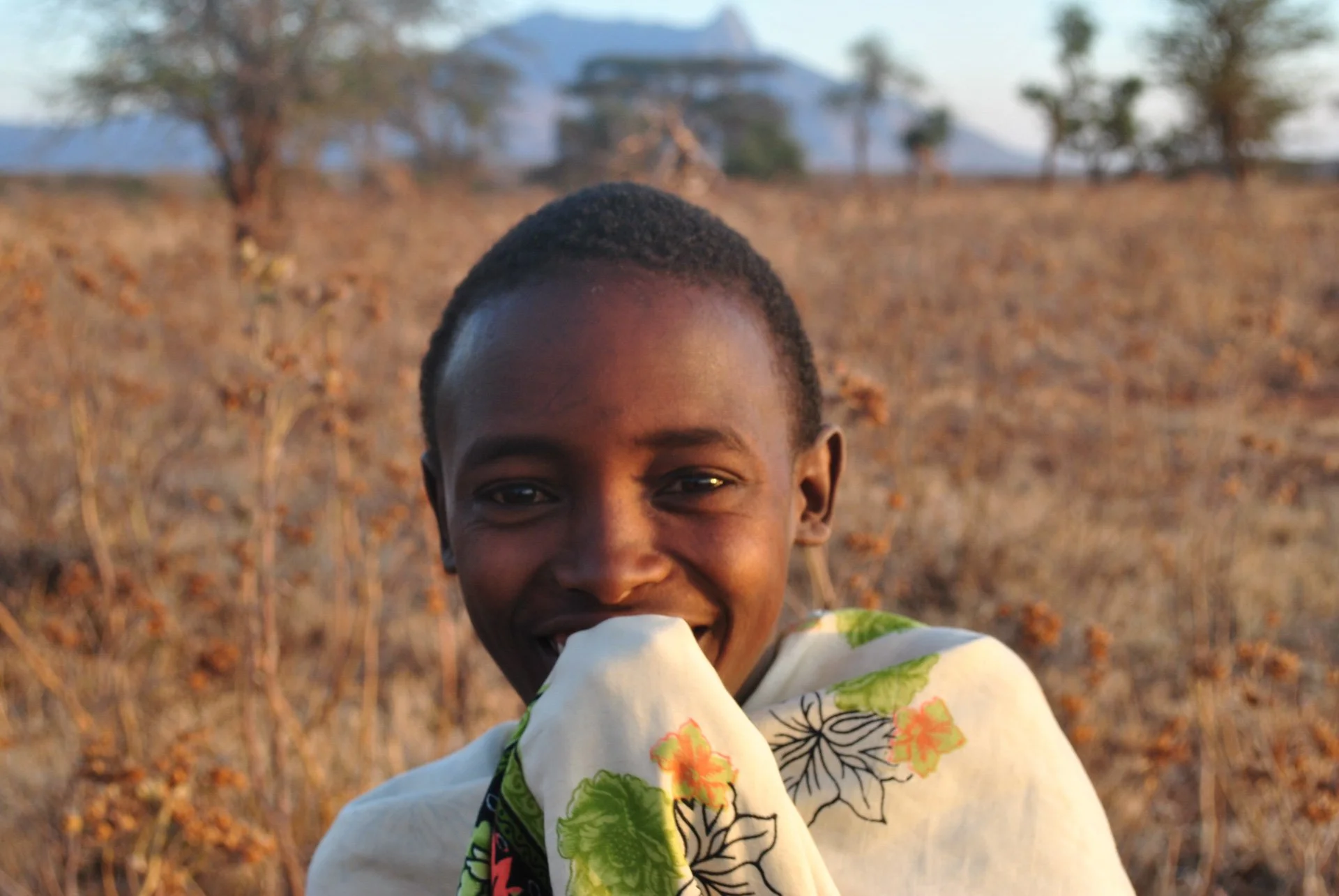
Indigenous peoples around the world are often recognised as the primary stewards of the planet’s biological resources.
For generations, traditional ways of life grounded in balance, reciprocity and deep ecological knowledge have played a vital role in protecting natural environments that all people depend on. These practices have helped preserve ecosystems for future generations.
However, as so-called “First World” societies continue to expand, both these fragile environments and the Indigenous communities who protect them face increasing pressure. Large-scale agro-industrial activities such as commercial farming, mining, oil extraction and logging continue to threaten land, biodiversity and livelihoods.
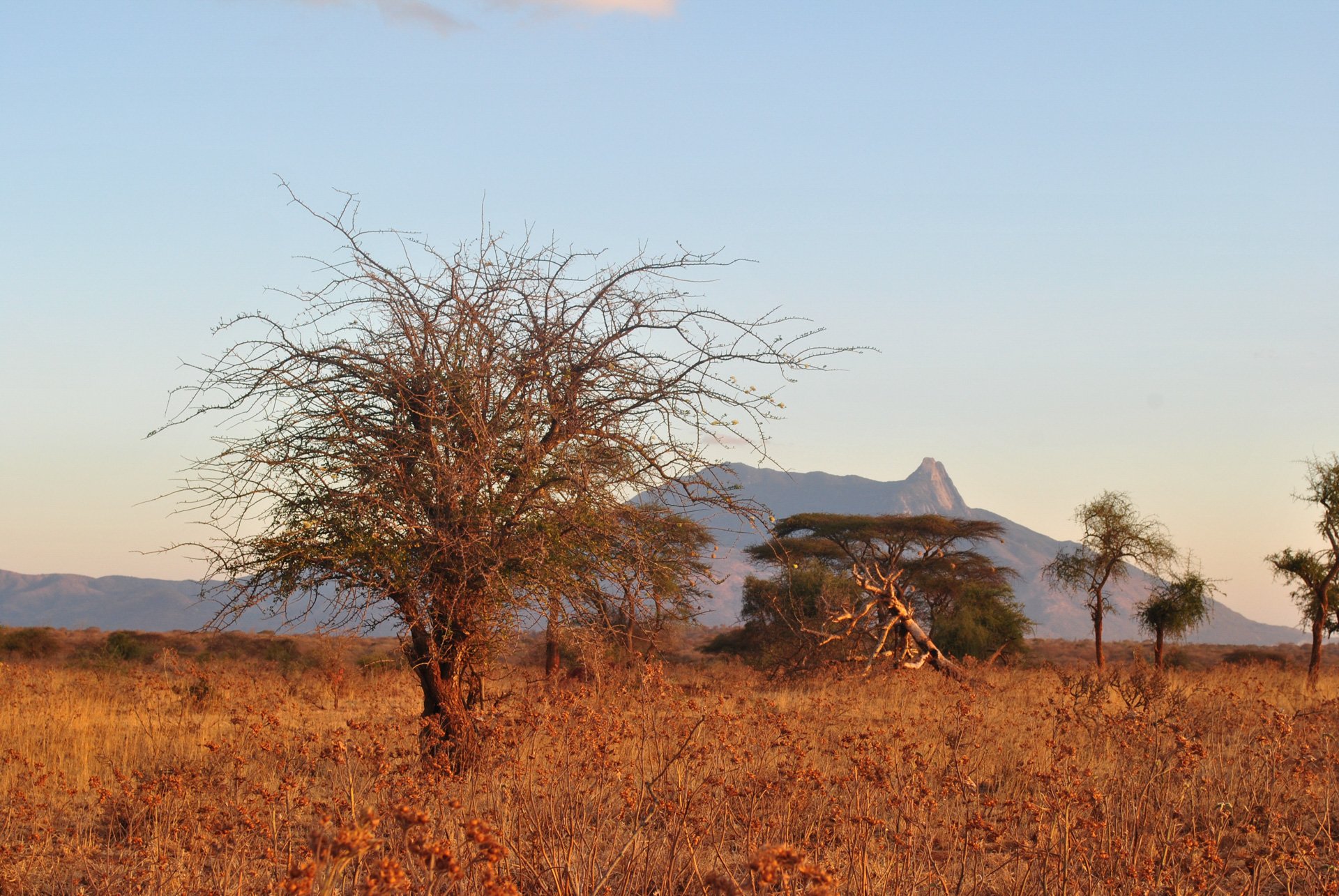
Across East Africa, pastoralist communities have long practised careful land management and lived in harmony with wildlife. This approach has helped sustain some of the continent’s most important grassland ecosystems and supported industries such as tourism, which rely on healthy, living landscapes.
Over recent centuries, traditional grazing lands have been progressively reduced through colonial appropriation, commercial agriculture, the establishment of protected areas and private landholdings. Many pastoralist communities have been fenced out or displaced from lands that were traditionally and legally theirs. This loss of access has had devastating consequences, disrupting nomadic livelihoods and forcing many families into ongoing hardship and poverty.
PALEDO is a non-government organisation working alongside pastoralist communities in East Africa to deliver practical, community-led support. In the face of prolonged drought, climate change and the ongoing reduction of traditional grazing lands, pastoralist livelihoods are under increasing strain. What was once a self-sustaining, nomadic way of life is no longer sufficient on its own.
Through locally driven initiatives, PALEDO seeks to help communities strengthen resilience, protect culture and adapt in ways that allow people to continue living in connection with their ancestral lands.
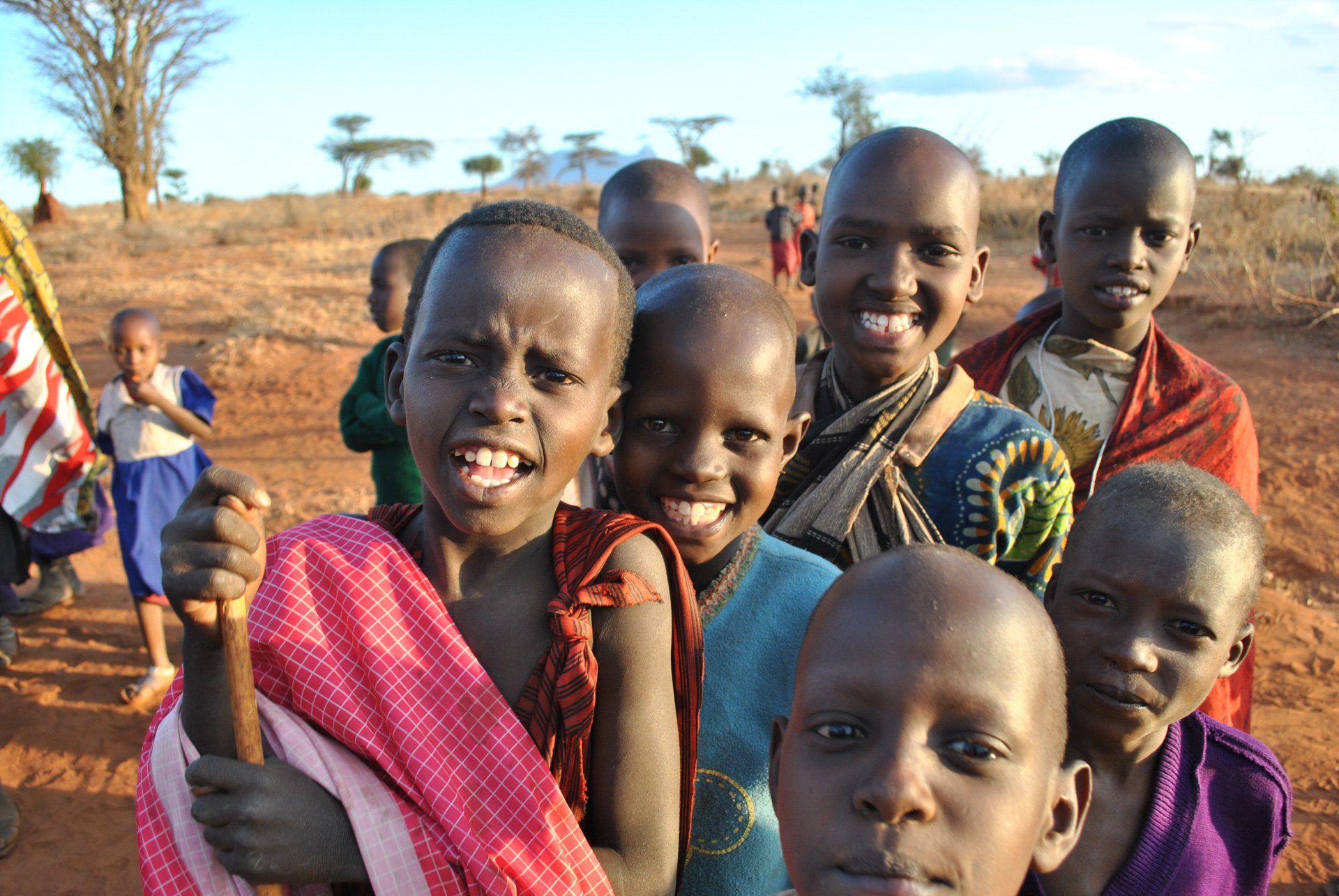
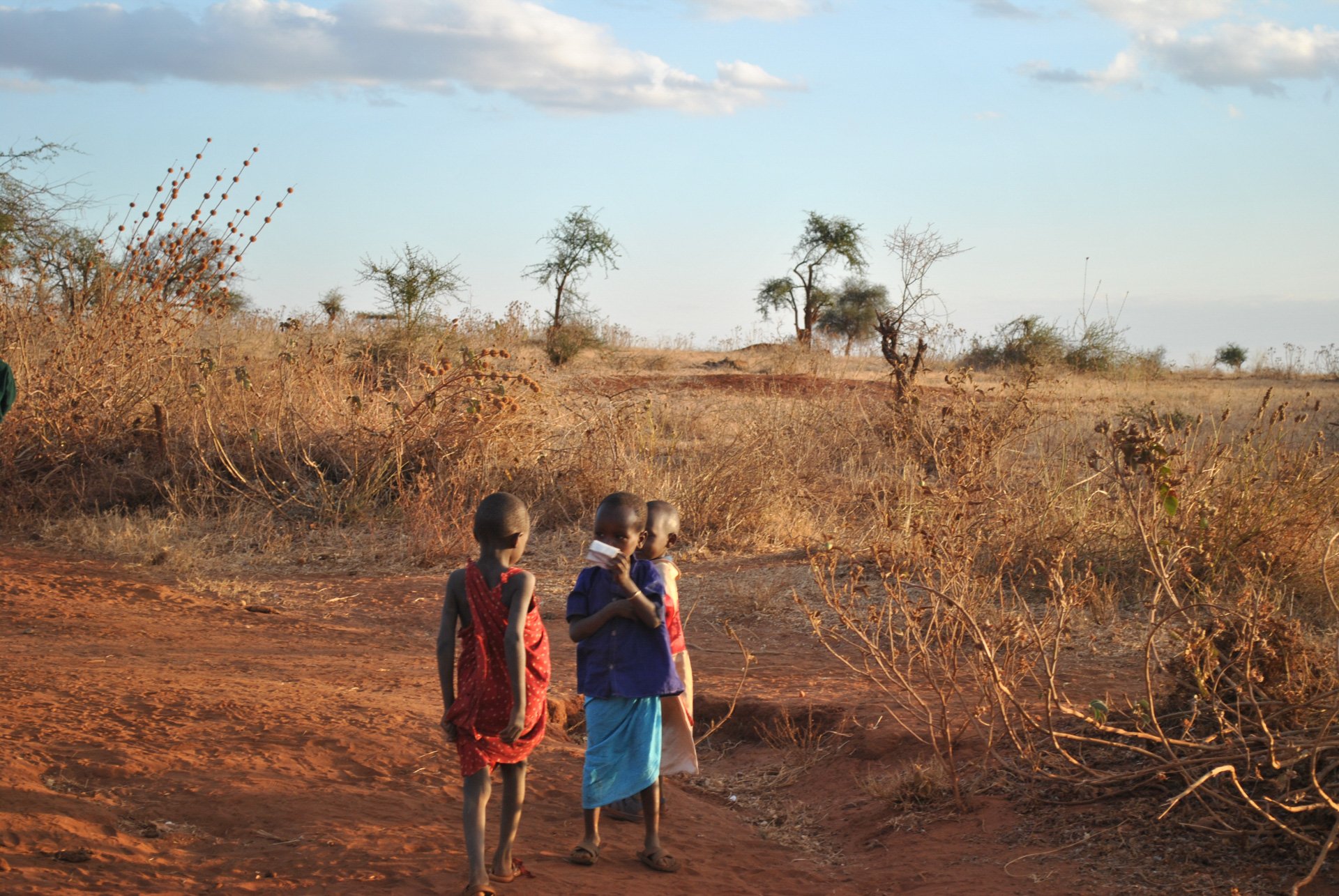
Paledo works alongside Maasai communities to help sustain culture, connection, and livelihoods, supporting people to continue living in harmony with their ancestral lands, as they have done for thousands of years.